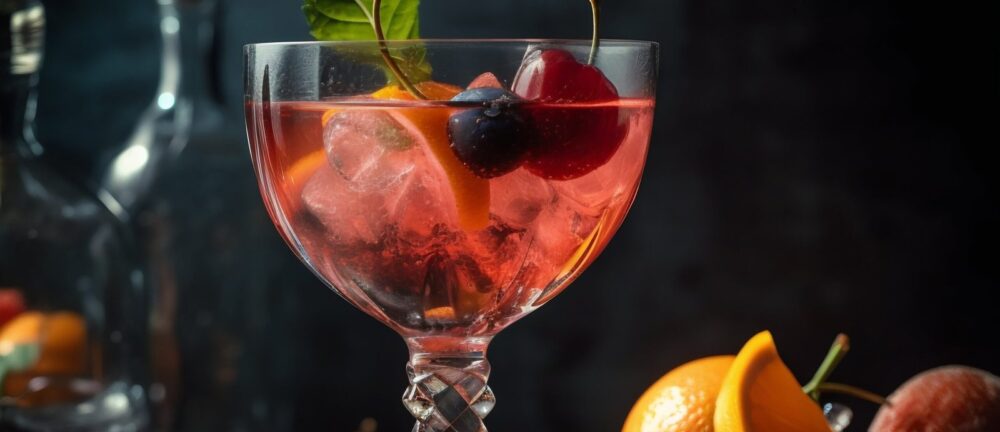

In 1929, a black grandmother in rural Mississippi fed seven children on less than $4 a week, and every single one of those children grew up strong. Number eight on this list was so powerful that plantation owners tried to ban the ingredient, and the women made it anyway in secret. Number three was eaten at tables that do not exist anymore, in kitchens that have since been torn down, by hands that knew things no culinary school has ever taught. These 25 recipes were not just food. They were resistance, coded in cast iron and passed down in whispers.
Hit that subscribe button. We are just getting started. Hi, my name is Joseph, and this is Forgotten Old American. Number 25, pot liquor and cornbread. This was the original nothing wasted meal.
When collard greens or turnip greens finished simmering in a pot with a piece of salt pork, what remained in that pot was not leftover water. It was pot liquor, a dark, salty, deeply [music] flavored broth loaded with every vitamin and mineral the greens had surrendered during cooking. You did not pour it down the drain. You tore a piece of cornbread and you dunked it. >> [music] >> You soaked it until it fell apart, and then you ate it with a spoon.
Sharecropper families across Alabama and Georgia considered pot liquor a meal in itself. Doctors during the Great Depression documented it as one of the primary reasons poor black children in the rural South showed fewer nutritional deficiencies than their white counterparts [music] eating white bread and canned goods. The pot liquor knew things the doctors were only just figuring out. Number 24, cracklin’ bread. When a hog was slaughtered, nothing was wasted.
The skin and fat were rendered down to make lard, and what remained after the lard was pressed out were cracklings, small, crunchy, intensely porky bits that most people today only encounter in a gas station bag with artificial flavoring. But in the black South, [music] cracklings went straight into the cornbread batter. You mixed them in with your cornmeal, your buttermilk, >> [music] >> your egg, and your pinch of baking soda, and you poured the whole thing >> [music] >> into a screaming hot cast iron skillet. What came out was cornbread with texture and depth [music] that plain cornbread could never match. The cracklings gave it a chew, a saltiness, a richness that made a single slice [music] a complete experience.
Church suppers in South Carolina [music] served this every single week for 100 years. Ask [music] a 60-year-old from the low country if they remember it. Watch what happens [music] to their face. Number 23, chitterlings. I am going [music] to be honest with you.
Cleaning chitterlings is not a pleasant task. >> [music] >> It takes hours. It takes vinegar. It takes patience and commitment [music] and a willingness to do the work that the reward demands. But the people who grew up eating them will tell you that no other dish on earth tastes quite like a pot of properly cooked chitterlings, slow simmered with onion and garlic and red pepper, until the smell that filled the kitchen was no longer the smell of labor, but the smell of supper.
Enslaved people received the parts of the hog that enslavers did not want, the intestines, the feet, the ears, [music] the tails, and they transformed every single one of them into something worth eating. That is not poverty. That is genius. Chitterlings became a Thanksgiving and New Year’s tradition in black households across the country. They are still made today, but less [music] and less, and the generation that knew how to clean them properly >> [music] >> is getting older.
Number 22, hoe cake. Before there were skillets and before there were ovens available to everyone, there was the hoe. Field workers mixed cornmeal with water and salt, shaped [music] it flat, and cooked it directly on the flat metal blade of a field hoe held over an open fire during the lunch break. That was hoe cake. By the time it reached the farmhouse kitchen, it had evolved.
Cooked in a skillet with a little bacon grease until the [music] outside crisped golden and the inside stayed soft and warm. You ate it with molasses, [music] with beans, with whatever the meal offered. A batch cost almost nothing. It took 10 minutes, and it was better than bread in ways that bread simply could not argue with. Number 21, pickled watermelon rind.
The white part of the watermelon that everyone throws away. That is what [music] this is. In the black South, throwing away the rind was not something you did when you had nothing to waste. You cut it into chunks. You soaked it in salt water.
Then you simmered it in a brine of vinegar and sugar and spices until it turned translucent, sweet, sharp, and completely transformed. Pickled watermelon rind sat in Mason jars on shelves next to the tomatoes and the okra. It was served alongside heavy meals to cut through the fat, the same way an expensive restaurant now serves a palate cleanser between courses. Your great-grandmother invented that concept. She just did not charge $30 for it.
Number 20, [music] stewed tomatoes and bread. August in the South meant tomatoes, more tomatoes than any family could eat fresh, so you canned them. And when winter came, you opened those jars and stewed them with a little butter, sugar, and salt until the kitchen smelled like summer preserved in a pot. Then, you tore in pieces of leftover cornbread or biscuit and let [music] them soak until soft. This was the cold weather comfort meal of black families from Virginia to Texas, simple, cheap, and somehow deeply satisfying [music] in the way that only food made from something you grew yourself can be.
Here is something that does not get said enough. [music] African-American food tradition is the foundation of what most Americans [music] call Southern cooking and what the rest of the world calls American cuisine. Fried chicken, biscuits, barbecue, collard greens, macaroni and cheese baked in an oven, black-eyed peas on New Year’s Day. Every single one of these has its roots in the cooking traditions of enslaved African people who were forced to feed not only themselves, but the white families who owned them. They cooked in the big house kitchen.
They trained the cooks who came after them. They invented the techniques and the flavor combinations and the instincts that define Southern food to this day. And then history handed the credit somewhere else. The recipes on this list are the ones that never made it into mainstream cookbooks, the ones that stayed in black kitchens and black churches and family reunions because they were too honest, too specific, too rooted in a particular kind of survival to be easily packaged and sold. That specificity is exactly what makes them worth remembering.
Number 19, smothered chicken, not fried, not roasted, smothered. You seasoned your chicken pieces heavily, browned them in a cast iron skillet until the crust was deep and golden, and then you made a gravy, a gravy right in the same pan. Onions, flour, chicken broth, and patience. You nestled the chicken back into that gravy, covered the skillet, and let it cook low and slow for 45 minutes until the meat fell away from the bone and the gravy turned thick and dark and impossibly rich. Served over rice or with biscuits to catch every drop.
This was Sunday dinner in black households across the South for generations. It was the meal that said the week was over and rest was here. Nobody who has eaten real smothered chicken has ever forgotten it. Number 18, neck bones and rice. Pork neck bones cost almost nothing at the butcher counter because [music] most people did not know what to do with them.
Black grandmothers knew exactly what to do with them. You seasoned them and browned them, and then simmered them for hours in water with onion and garlic until the broth turned rich and the small pieces of meat clinging to those bones became tender enough to pull free with a fork. You cooked your rice in that broth. Every grain absorbed the flavor of the pork and the seasoning until the rice itself tasted like a complete meal. The bones were almost free.
The rice [music] cost pennies, and the result was something that expensive restaurants in New York City now put on their menus and [music] charge $26 for. I’m not making that up. Number 17, sweet potato pudding, not [music] pie, pudding. There is a difference, and the people who know the difference will tell you the pudding is better. You grated raw sweet potatoes by hand, which took time and [music] knuckle skin.
You mixed them with eggs and butter and sugar and nutmeg [music] and a splash of vanilla. And you bake the whole thing low and slow until it’s set into something dense and custardy and warmly spiced. No crust, >> [music] >> no fuss. Just the potato and the seasoning and the heat doing their work together. This was the holiday dessert in households that could not afford pecans for pie or cream for pudding.
It tasted like it cost far more than it did. It still does. Number 16, fried green tomatoes. Before the movie, before the restaurant menu item, before the food magazine photo spread, fried green tomatoes were simply what you made in late summer when the garden was still full, but the season was turning and the tomatoes were not going to ripen in time. You sliced them thick, dragged them through cornmeal seasoned [music] with salt and pepper, and fried them in a skillet with hot bacon grease until both sides were crisp [music] and the tomato inside had softened just enough.
Tart and crispy and hot from the pan, eaten standing at [music] the stove. Before they ever made it to the table. That was the That was the real version. Everything since has been an imitation. Number 15, poke sallet.
This one requires a warning. Pokeweed is toxic if you do not prepare it correctly. The roots are poisonous. The berries are poisonous. Even the leaves require boiling and draining multiple times before they are safe to eat.
And yet, generations of black families across the rural South ate poke sallet [music] every spring. Because when the garden had not come in yet and the winter stores were running low, pokeweed was growing wild in the ditches and the fence rows. And it was free. You boiled those young leaves, drained them, boiled them again, drained them again, then fried them down [music] in a skillet with bacon grease and a little onion until they were wilted [music] and dark and savory. Tony Joe White wrote a song about it in 1969.
Your grandmother probably did not need the song to know what it was. Number 14, butter beans with ham hock. There is a specific kind of patience that this dish requires. You put your dried butter beans in a pot with a smoked ham hock and enough water to cover everything generously and you turn the burner to low and you walked away. Three hours later, the beans had broken down into a creamy thick stew and the ham hock had given up every ounce of smoky flavor [music] it contained.
The meat fell off the bone in small tender shreds that distributed themselves through the pot like a gift. Salt and pepper at the end. Cornbread on the side. This was the Tuesday meal and the Thursday meal and sometimes the Saturday meal because a single pot cost less than $2 and fed a family of five with leftovers. Some of the best things in the world take three hours and cost almost nothing.
We have largely forgotten how to wait that long. Here is the part that should make you angry. In the 1980s in the 1990s, American food culture went through a transformation. Suddenly, Southern food was fashionable. Restaurants in Manhattan and Los Angeles started serving grits and collard greens and fried chicken and calling it comfort food and charging $30 a plate.
Food magazines ran cover stories about the discovery of Southern cuisine. Celebrity chefs built entire careers on it. And in almost none of that coverage were black cooks, black grandmothers, or black food traditions centered as the origin of what was being celebrated. The food got elevated. The people who invented it got left out of the story.
There is a word for that. It is not a complicated word. And this is not a complicated concept. The recipes on this list belong to a specific tradition with a specific history. When you make them, know where they came from.
Say it out loud. That is the least we can do. Number 13, cracklin’ biscuits. Everything said about cracklin’ bread applies here, but the biscuit form deserves its own entry because [music] the technique is different and the result is different and both are extraordinary. You worked cold lard into your flour until it was crumbly, >> [music] >> added your buttermilk, then folded in your cracklings.
The key was not overworking the dough. Light hands, quick folds, [music] into a hot oven in a cast iron skillet or on a flat pan and out again in 15 minutes. Golden and flaky [music] with little nuggets of rendered pork tucked into every layer. These biscuits [music] did not need butter. They did not need jam.
They arrived at the table already complete. Number 12, oxtail stew. Oxtail is one of the great success stories of forgotten food making a comeback. For most of the 20th century, you could buy oxtail for almost nothing because American supermarkets had no idea what to do with [music] it and neither did most of their customers. Black grandmothers >> [music] >> and Caribbean grandmothers and anyone else whose cooking tradition included the whole animal knew exactly [music] what to do with it.
You browned those tails until dark and caramelized, added onions, garlic, tomatoes, herbs, and enough water to cover. Then you cooked it for at least four hours. The collagen in the joints melted into the broth and turned it thick and glossy and rich in a way that no other cut of beef can replicate. The meat came off the bone soft [music] as butter. Today, oxtail costs $12 a pound at the same supermarkets that used to practically [music] give it away.
Grandmothers knew. The market finally caught up. Number 11, fried catfish and hot sauce. Not any hot [music] sauce. The specific hot sauce, Louisiana hot sauce, or whatever vinegar-based pepper sauce was on that particular table applied generously to cornmeal crusted catfish fried in a cast iron skillet until the outside shattered and the inside stayed [music] moist and sweet.
Catfish was the fish of the rural South >> [music] >> because you could catch it yourself in rivers and ponds and you did not need money to do that. You needed a pole, patience, and some knowledge about where the fish ran. Seasoned cornmeal, hot grease, hot sauce, white bread >> [music] >> to soak up everything that hit the plate. Friday night fish fry in black households across the South was not just dinner. It was a social event that lasted until somebody’s mother made everyone go home.
Number 10, molasses [music] candy. When there was no money for store candy and the children were asking, you went to the pantry and got the molasses. You boiled it with sugar and a little butter until it reached the hard crack stage, poured it onto a greased pan, [music] and let it set. When it was cool enough to handle but not yet hard, you pulled it. Two people took opposite ends of the molasses mass, pulled it out, folded it back, and pulled it again until the color lightened and the candy turned [music] glossy and chewy.
Pulled molasses candy was how black families across the South made something out of nearly [music] nothing and turned the making of it into an event. Children gathered around the kitchen table for the pulling. It was [music] not just candy. It was the whole evening. Number nine, persimmon beer.
Wild persimmons ripened in the fall across the rural South, small [music] and intensely sweet after the first frost softened them. You mashed them, strained out the seeds and skins, mixed the pulp with water and a little cornmeal [music] and sometimes a handful of dried fruit, and you let it ferment in a covered crock for several days. The result was a mildly alcoholic sweet slightly funky drink that tasted like nothing commercially available today. Persimmon beer appeared at harvest gatherings and community celebrations in black communities across Virginia, [music] Georgia, and the Carolinas from the colonial period through the early 20th century. The wild persimmon [music] trees are still out there.
The knowledge of what to do with them is almost [music] gone. Number eight, ash cake. This is the one that plantation owners tried to suppress. The simplest possible [music] bread, cornmeal, water, salt, mixed into a stiff dough, wrapped [music] in cabbage leaves or corn husks, and buried directly in the hot ash and coals of a fireplace [music] or an outdoor fire. After 40 minutes, you pulled out something charred on the outside and perfectly cooked inside.
[music] The corn flavor concentrated and sweet. Enslaved people made [music] ash cake because they had no skillets, no ovens, no tools. They had fire and cornmeal. And the knowledge brought from West Africa of how to cook in the coals. Enslavers at various points tried to restrict [music] access to fire and to grain.
The ash cake survived anyway because you cannot take away knowledge that lives in hands and memory. Number seven, field peas and [music] fatback. Not black-eyed peas, though those are cousins. Field peas, the crowder peas, the cream peas, and the iron and clay peas grew in the fields of the South and [music] fed generations of black farm families. You cook them with fatback, [music] which was salt-cured pork fat and water and onion >> [music] >> and whatever seasoning you had.
The peas broke down into their own thick, savory pot liquor. The fatback dissolved [music] into the broth and gave it depth. Eaten with cornbread, with a raw onion sliced on the side, [music] with pepper vinegar shaken over the top. This was the meal that made it through the hardest years of the 20th century in black [music] households across the rural South. Simple, cheap, and so deeply satisfying [music] that people who grew up eating it still make it today out of love rather than necessity.
>> [music] >> Here is what nobody tells you about these recipes. Most of them were never written down. Not because the people [music] who made them could not write, because the knowledge lived somewhere that writing [music] could not reach. It lived in the pressure of a hand on dough, in the smell that told you the oil was hot enough, in the color of a roux after exactly the right number of minutes of stirring, in the specific way your grandmother said not yet when you asked if [music] the beans were done. This is oral knowledge and muscle [music] memory knowledge and sensory knowledge accumulated over lifetimes [music] and passed from body to body in kitchens.
When a grandmother dies without a granddaughter [music] standing next to her at the stove, a recipe dies with her. It does not matter that she could have written it down. The written version would have been a skeleton. The living version was the whole creature. We are losing these recipes not because anyone decided to throw them away.
We are losing them because we stopped [music] standing in the kitchen long enough to absorb them. That is the real loss on this list. Number six, [music] hog’s head cheese. The name sounds alarming. The result is extraordinary.
You took a hog’s head, cleaned it thoroughly, >> [music] >> simmered it for hours with onion, garlic, bay leaves, and vinegar until every scrap of meat fell free from [music] the bone. Then you picked all that meat by hand, seasoned it with black pepper and red pepper [music] and sage, packed it into a loaf pan, and poured the cooking liquid over the top. You refrigerated it overnight and it set into a firm, sliceable loaf held together by the natural gelatin of the bones >> [music] >> and skin. Cold, sliced thin on bread with mustard and hot [music] sauce. Hog’s head cheese was the original charcuterie, invented not in a French kitchen, >> [music] >> but in the kitchens of black families in the American South, who understood, long before it [music] was fashionable, that the most flavorful meat on any animal is the part [music] closest to the bone.
Number five, sweet potato pone. Different from the pudding. The pone was dense, chewier, more rustic. You grated your sweet potatoes raw, mixed them with cane syrup or sorghum instead of granulated sugar, added your spices and your fat and a little flour to hold it together, and you baked it in a low oven for a long time, >> [music] >> at least an hour and a half. The edges caramelized against the pan.
The inside [music] stayed moist and dense and deeply sweet in the way that sorghum sweetness is different from sugar sweetness, richer, more complex, almost smoky. Sweet potato pone appeared at church suppers [music] and family reunions and holiday tables from Reconstruction through the mid-20th century. It required no exotic ingredients. It required [music] time and a steady oven and the knowledge that slow cooking rewards patience in ways [music] that fast cooking never can. Number four, red drink.
I want to be careful [music] here because red drink deserves its full history. In West African food traditions, the hibiscus plant called [music] bissap was used to make a brilliant crimson drink, tart, floral, and sweet. Enslaved Africans brought that tradition with [music] them. In the American South, it became red drink, made sometimes from hibiscus, sometimes from red berries, sometimes from strawberries, >> [music] >> sometimes from whatever was at hand that produced that specific deep red color. The color itself was [music] significant.
It was celebratory. It was festive. It showed up at Juneteenth celebrations, [music] church homecomings, and family reunions. Red Kool-Aid eventually replaced the homemade versions in many households because [music] it was cheap and easy and it produced the right color. But the original red drink, made from actual hibiscus flowers sweetened with cane sugar and served cold over ice in summer, [music] was something that store-bought powder has never successfully replaced.
[music] You can still buy dried hibiscus flowers in most Latin grocery stores. The drink [music] takes 10 minutes to make. It tastes like history. Number three, cracklin’ stew. This is the one that I think about more than almost anything else on this list.
After all the lard was rendered from the hog fat and all the cracklings were pressed out and some were set aside for cornbread and biscuits, there were still small bits and pieces and trimmings of [music] pork that did not quite make it into any other category. Those went into the stew pot with dried beans, usually field peas or pintos, and onion, whatever root vegetables were available, and water. It simmered for the better part of a day. The rendered bits of pork gave the broth a richness that a ham hock alone could not produce. The beans thickened everything.
The onion sweetened as [music] it broke down. By evening, the pot contained something that was more than the sum of its ingredients, a deeply savory, impossibly filling stew that tasted [music] like every bit of labor that had gone into the day they killed the hog had been honored and used [music] and transformed into nourishment. This recipe appeared in no cookbook I have ever found. It existed in the memory of the people who needed it. And it is almost gone.
Number two, Juneteenth strawberry soda water. June 19th, 1865, the day enslaved people [music] in Texas finally received word that they were free, two and a half years after the emancipation proclamation. The celebration [music] that followed became Juneteenth, and one of its most specific and beloved food traditions was the red drink, and in Texas particularly, a sweet strawberry soda water that showed up at every Juneteenth [music] gathering from the late 19th century onward. Fresh strawberries are muddled with sugar, mixed with cold water and a splash of vinegar-based shrub, and poured over ice. Not carbonated in the modern sense.
Just cold, [music] sweet, vivid red, and intentionally festive. Juneteenth is now a federal holiday. The strawberry soda water that belongs to its table [music] is still being made in Texas families who never stopped. For everyone else, it is [music] not too late to learn. Number one, Sunday gravy over biscuits.
Not the Italian-American Sunday gravy. This one, [music] the gravy that started with whatever pan drippings remained from the week’s cooking, stretched with flour and a little water or milk, seasoned [music] with black pepper until the pepper was the whole point, and poured over split biscuits that had been baked in a cast-iron skillet [music] since before sunrise. This was Sunday morning in black households across [music] the American South for most of the 20th century. The gravy [music] was different every week because the drippings were different every week. Chicken drippings [music] made a lighter, golden gravy.
Pork drippings made something darker >> [music] >> and richer. Beef drippings, on the rare weeks when there had been a roast, made a gravy that seemed [music] almost too good to be real. The biscuits absorbed it. The table was full. The week was about to begin again.
And for the [music] duration of that meal, whatever was hard about life got set aside, and everyone in that kitchen ate well. That is what number one on this list is, not a recipe, a ritual. A weekly declaration that regardless of what the world outside that kitchen had done or was about [music] to do, this table would be set, this food would be made, and these people would be fed. Dignity in a cast-iron [music] skillet. Resistance in a bowl of gravy.
The whole history of a people in a Sunday morning biscuit. Here is my [music] challenge. Pick one recipe from this list and make it this week. Not the ash cake, unless you have a fireplace and an adventurous spirit. Though honestly, I respect it if you do.
But maybe the smothered chicken. Maybe the sweet potato pudding. Maybe just the pot liquor from the collard greens you were already going to make and had been pouring down the drain. Make it. Sit down at a table to eat it.
Not on the couch. At a table. And if you have a grandmother or an aunt or an older neighbor who remembers any of these dishes, call them before you make it, not after. Call them first. Ask them how because the living recipe is always better than the written one.
The window for asking is smaller than any of us would like to believe. >> [music] >> Leave a comment telling me which recipe you are going to make. Tell me if your family still makes any of these. Tell me if your grandmother had a name for something on this list that was different from what I called it, because I guarantee that she did. These are not lost recipes.
They are waiting recipes. Waiting for someone to remember that they were worth making in the first place.
Read More: This Is NOT What We Expected… | Daily Rockets News & Rumors